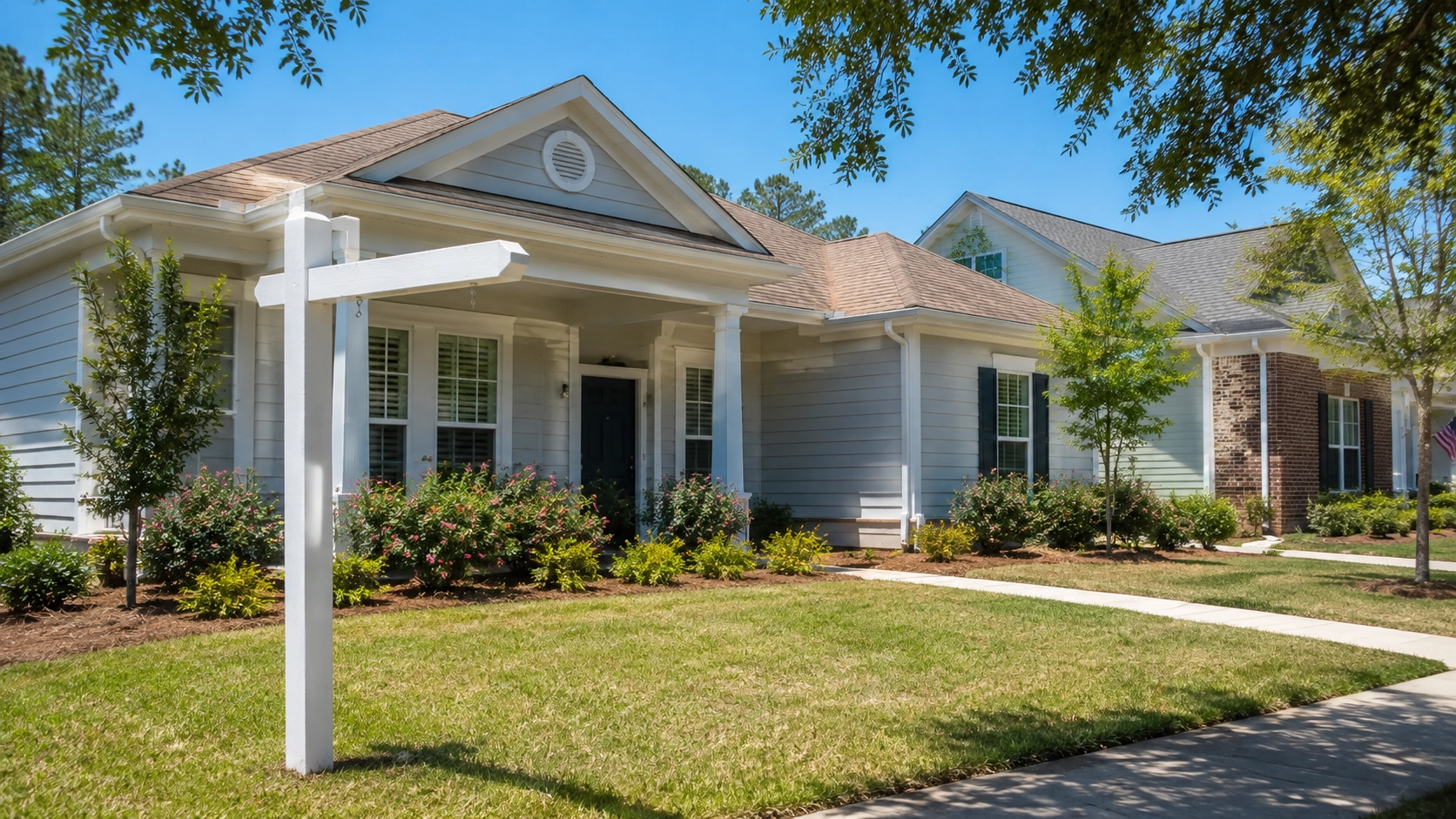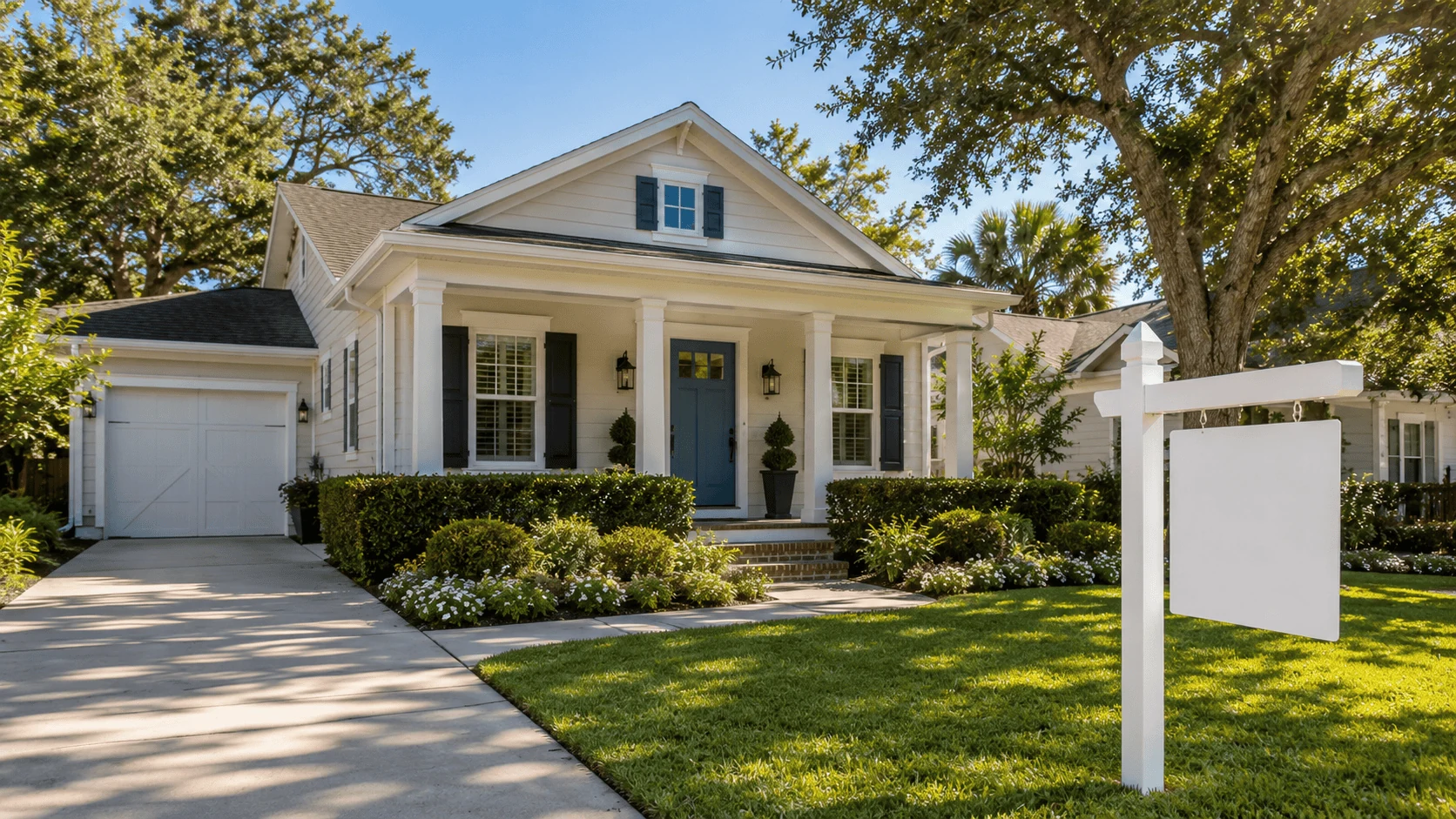
The Listing Window Is Narrow
In real estate, first impressions matter twice: once with buyers, and once with the data. A home that generates strong early showings and quick offers builds its own momentum. A home that launches into silence accumulates days-on-market that every future buyer can see — and interprets.
The two weeks before a listing goes live are when sellers have the most control over which outcome they'll experience. Most of the costly mistakes I see happen in this window — not because sellers are careless, but because they're optimistic, rushed, or haven't been given honest guidance about what actually matters.
After 22 years of listing homes in Pensacola, here are the mistakes I see most consistently — and the clear actions that prevent them.
Mistake 1: Pricing Based on What You Need, Not What the Market Supports
This is the most common and most expensive mistake sellers make. The number in your head — the one based on what you paid, what you've invested, what you need to net for the next chapter — is not the same number that buyers will support.
Buyers compare your home to every other home in the same price range that sold recently. They are not compensating you for your renovation costs or your attachment to the property. They're asking: what would I pay for this specific home, in this specific condition, on this specific street, given what has recently sold nearby?
The fix is simple, though not always comfortable: price based on a comparative market analysis built from actual recent sales, not aspirational comparables, and accept that the market's opinion of your home's value is the one that matters.
Mistake 2: Skipping the Pre-Listing Inspection
Most sellers list their homes without ever having them inspected from a buyer's perspective. The logic seems sound — why pay for an inspection that will only surface problems? But this logic reverses the position of strength. When you discover problems on your own timeline, you get to decide: fix it, price for it, or disclose it proactively. When a buyer's inspector finds it mid-transaction, you're negotiating under pressure, with a buyer who is already emotionally uncertain.
A pre-listing four-point inspection — roof, HVAC, electrical, and plumbing — typically costs $200–$350 and is one of the highest-ROI decisions a seller can make. It tells you what you're working with before anyone else knows.
Mistake 3: Using Standard Real Estate Photography
The photos are your listing. In the first five seconds of a buyer's scroll, they decide whether to look more closely or move on. Standard real estate photography — quick walkthroughs with a wide-angle lens and basic lighting — does not clear that bar for today's buyers, who have been trained by high-quality listing photography to recognize its absence immediately.
Editorial real estate photography — proper lighting, thoughtful composition, wide but accurate angles — creates a visual story. Buyers who view a well-photographed listing arrive at showings with positive expectations. Buyers who view a poorly photographed listing often don't arrive at all.
Mistake 4: Rushing Preparation to Hit an Arbitrary Launch Date
Sellers often set an arbitrary go-live date — tied to a calendar preference, a life event, or a sense of urgency that may not match the market's timeline. When the preparation isn't ready, the temptation is to list anyway and freshen it up while it's on the market. This rarely works well.
Buyers who see an occupied, unprepared home in the first week form an impression that is difficult to revise — even if the home looks significantly better in week three. The listing has already accumulated early days-on-market with no offers, which signals to future buyers that something is wrong.
The better approach: take the time to do the preparation properly before listing. An extra week of preparation that produces a cleaner launch is almost always better than two weeks of remediation after a weak start.
Mistake 5: Neglecting Exterior Presentation
Sellers invest significant effort in the interior of a home before listing — cleaning, decluttering, staging. They often give much less attention to the exterior, assuming buyers will look past overgrown landscaping, faded paint, or a cluttered driveway.
They won't. Curb appeal is the buyer's first physical experience of your home, and it sets the emotional tone for everything that follows. A buyer who loves the exterior arrives at the front door already inclined toward the home. A buyer who is underwhelmed by the exterior arrives with skepticism they carry through the entire showing.
Fresh landscaping, a power-washed driveway, trimmed hedges, and a painted front door are not expensive — but they're consistently among the highest-impression-per-dollar improvements a seller can make.
Mistake 6: Not Vetting Buyers Before Accepting an Offer
The best offer is not necessarily the highest offer. Sellers sometimes accept the highest bid without adequately vetting the buyer's financing or seriousness — and find themselves back on the market 15 days later when the buyer's financing falls through or they exercise a contingency without cause.
Before accepting any offer, a seller's agent should verify the pre-approval with the specific lender, evaluate the earnest money amount relative to the offer price, and assess the contingency structure. A slightly lower offer from a financially solid, committed buyer is often the better outcome.