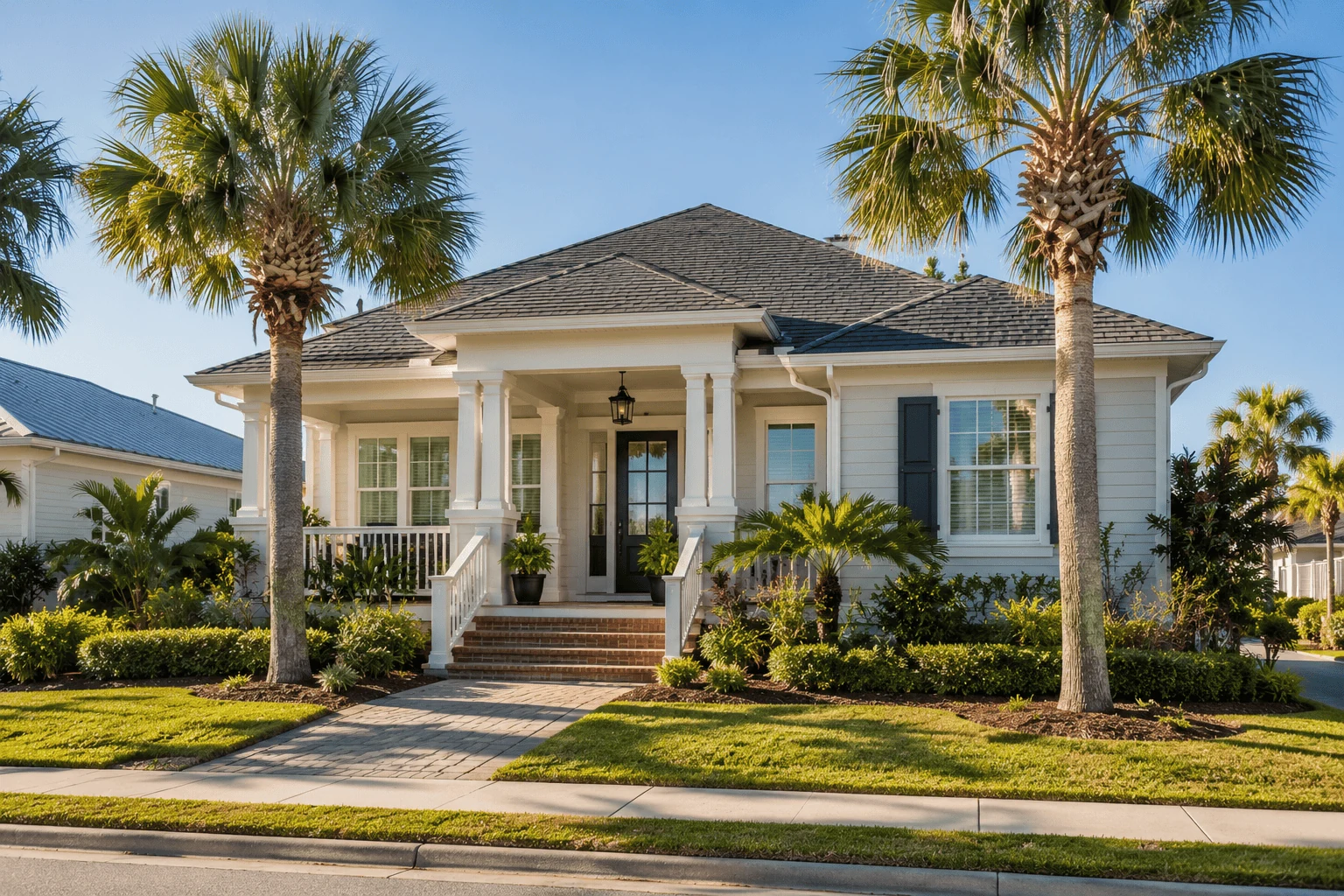
The Insurance Conversation Nobody Warns You About
In my 22 years of guiding buyers through Pensacola real estate, one topic comes up early in almost every transaction — and it surprises people more than almost anything else about the process: homeowners insurance.
Florida has one of the most complex property insurance markets in the country. For buyers coming from other states, the cost, the structure, and the process can feel jarring at first. But understood clearly, it's manageable — and a knowledgeable agent and a good independent insurance broker can walk you through it calmly.
This guide is the conversation I have with every buyer before they fall in love with a home. The earlier you understand it, the better your decisions will be.
Why Florida Insurance Is Different
Florida's insurance market is shaped by three realities that don't exist in most other states: hurricane exposure, flood geography, and a litigation history that drove many national carriers out of the market entirely.
After major legislative reforms in 2022 and 2023 — including Assignment of Benefits restrictions and changes to one-way attorney fee provisions — the market has stabilized significantly. Several new carriers have re-entered. Citizens Insurance (the state-backed insurer of last resort) has depopulated meaningfully as private market capacity returned.
In 2026, the Pensacola market is in better shape than it was a few years ago. That said, premiums are meaningfully higher than national averages, and buyers who don't plan for that reality can find themselves surprised at the closing table.
The Three Policies Most Pensacola Buyers Need
Homeowners Insurance (HO-3 or HO-5)
This is your primary policy — it covers the structure of the home, your personal property, liability, and additional living expenses if the home becomes uninhabitable. In Pensacola, HO-3 and HO-5 policies are the standard.
What to expect in 2026: annual premiums in Pensacola typically range from $2,500–$8,000+ for a single-family home, depending on the home's age, construction type, roof material, distance from the coast, and the coverage limits you choose. Newer homes with hip roofs, impact-resistant windows, and wind mitigation features receive meaningfully lower premiums.
Flood Insurance
Standard homeowners policies do not cover flooding. This surprises many buyers. If you are in a FEMA-designated Special Flood Hazard Area (SFHA) and your mortgage is federally backed, flood insurance is required. Even if you're not in a high-risk zone, flood coverage is worth considering given Pensacola's geography.
Two options exist: the National Flood Insurance Program (NFIP) through FEMA, or private flood insurance carriers — which have expanded significantly and often offer better coverage at competitive prices. A good independent broker will quote both.
NFIP premiums depend on your property's flood zone, base flood elevation, and coverage amounts. Private flood can sometimes be 20–40% less for the same coverage — always get both quotes.
Wind Coverage (Hurricane / Windstorm Insurance)
This is where Florida gets unique. Wind coverage may be included in your homeowners policy, or it may be a separate policy through Citizens or a private carrier. Many private insurers exclude wind for coastal properties, which means buyers need a separate wind policy.
Wind mitigation inspections are the best investment a Pensacola buyer can make before closing. A certified inspector assesses your roof shape, roof-to-wall connections, opening protection, and roof covering — and the resulting report can qualify you for significant premium discounts. Most wind mitigation inspections cost $150–$300 and can save thousands annually.
How Property Age and Construction Affect Your Premiums
Homes built before 1994 — pre-Florida Building Code — face higher premiums because they were not built to the wind-resistance standards that came after Hurricane Andrew. Homes built after the 2001 strengthening of the Florida Building Code perform better.
The most insurance-favorable home in Pensacola is a newer build with:
- A hip roof (slopes on all four sides)
- Impact-resistant windows or storm shutters
- A reinforced roof deck connection
- Concrete block construction
Older homes — including many of the beautiful historic properties in East Hill and North Hill — can still be insured, but the premiums will reflect the additional risk. This is a known and manageable variable; the key is understanding it before you make an offer.
Citizens Insurance: What Buyers Should Know in 2026
Citizens Property Insurance Corporation is Florida's state-backed insurer of last resort. In prior years, it became one of the largest insurers in the state because private carriers had exited. Following legislative reforms, Citizens has been actively depopulating — offering policyholders take-out offers to private carriers.
Buyers should know that Citizens policies come with conditions: mandatory acceptance of private market offers within 20% of Citizens' premium, sinkhole coverage limitations, and a Citizens surcharge that applies if the fund faces a deficit. Citizens remains a valid option in 2026 but should not be assumed to be the only one.
Insurance Tips Specific to Pensacola Neighborhoods
Flood zones vary significantly by neighborhood and even by street. Marcus Pointe and Nature Trail — both inland and elevated — generally sit in lower flood risk zones, which keeps flood insurance premiums lower. Pensacola Beach, Perdido Key, and bayfront properties along Scenic Highway require flood insurance and typically command higher wind premiums due to coastal proximity.
Historic homes in East Hill and North Hill can carry higher HO premiums due to age, construction type, and the difficulty of replacement cost valuation for historic architecture. Working with an insurer familiar with historic properties makes a real difference.
How to Approach Insurance as a Buyer
The best practice is simple: get insurance quotes before you make an offer — or at minimum, very early in the due diligence period. Here's a practical sequence:
- Work with an independent insurance broker (not captive to one carrier) who knows the Pensacola and Florida coastal market
- Request quotes for homeowners, flood, and wind as a package
- Order a wind mitigation inspection on any home built before 2010
- Request a 4-point inspection on any home 25+ years old (roof, HVAC, electrical, plumbing)
- Factor the full annual insurance cost into your housing budget before you fall in love
I walk through insurance with every buyer I work with — it's too important to leave to the last week before closing. If you have questions, I'm always glad to connect you with an independent broker I trust and walk through the specifics of a property you're considering.